Sewage System Installation in Denver, CO
Sewage system installation services involve the setup of underground piping networks that safely carry wastewater from residential properties to municipal treatment facilities or septic systems. These projects typically include installing new sewer lines for homes undergoing construction, replacing aging or damaged pipes, or expanding existing systems to accommodate property upgrades. Homeowners interested in this service should understand the scope of the project, including the planning involved, the materials used, and how the installation will integrate with existing plumbing systems to ensure proper function and code compliance.
Before requesting sewage system installation, property owners often seek information about the overall process, including site preparation, potential disruptions, and the expected lifespan of the installed system. It’s also important to consider factors such as local regulations, permits required, and the impact on landscaping or outdoor features. Clarifying these details can help ensure the project proceeds smoothly and meets the specific needs of the property while maintaining proper sanitation standards.
Many property owners in Denver, CO look into Sewage System Installation for repairs, replacements, upgrades, and appearance-related improvements.
Types Of Sewage Systems
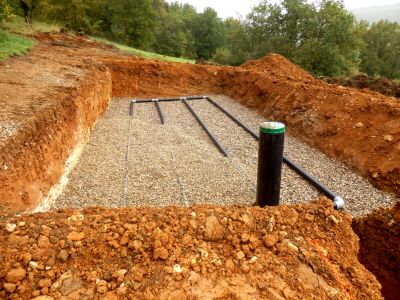
Different systems are designed to handle residential, commercial, and industrial waste effectively.
Installation Considerations
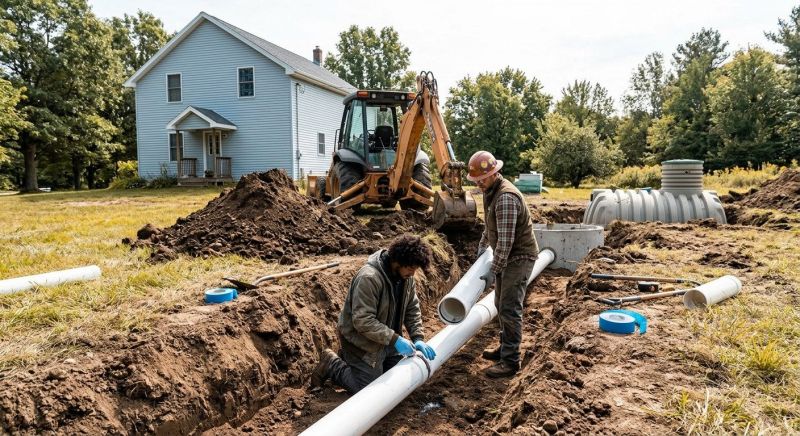
Proper planning ensures the sewage system is reliable, compliant, and suited to the property's needs.
Maintenance And Repairs
Regular upkeep helps prevent backups and ensures the longevity of the sewage infrastructure in denver homes.
Sewage System Installation in Denver, CO

Sewage system installation services involve the setup of underground piping networks that safely carry wastewater from residential properties to municipal treatment facilities or septic systems. These projects typically include installing new sewer lines for homes undergoing construction, replacing aging or damaged pipes, or expanding existing systems to accommodate property upgrades. Homeowners interested in this service should understand the scope of the project, including the planning involved, the materials used, and how the installation will integrate with existing plumbing systems to ensure proper function and code compliance.
Before requesting sewage system installation, property owners often seek information about the overall process, including site preparation, potential disruptions, and the expected lifespan of the installed system. It’s also important to consider factors such as local regulations, permits required, and the impact on landscaping or outdoor features. Clarifying these details can help ensure the project proceeds smoothly and meets the specific needs of the property while maintaining proper sanitation standards.
Many property owners in Denver, CO look into Sewage System Installation for repairs, replacements, upgrades, and appearance-related improvements.
Common Sewage System Installation Jobs
Sewage System Installation - Installing new sewage lines to ensure proper waste removal for residential properties.
Drainage System Setup - Designing and installing drainage solutions to prevent water buildup and manage runoff.
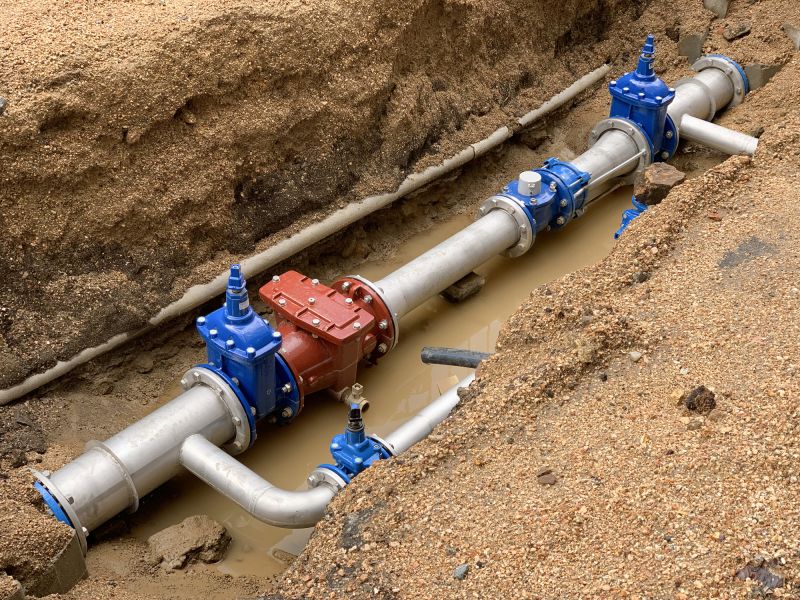
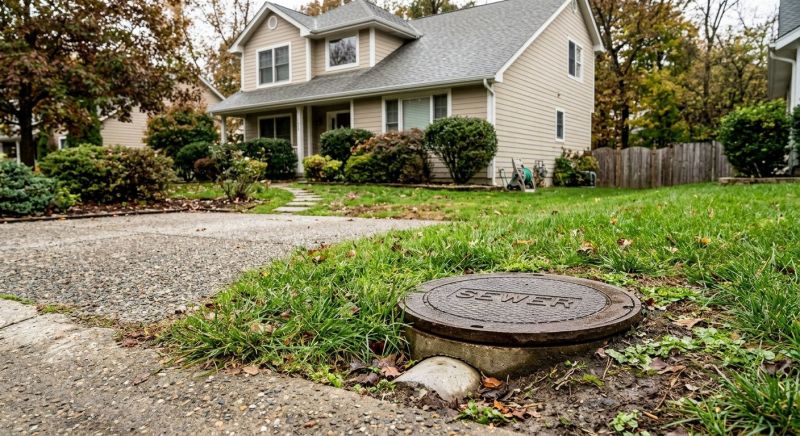
Underground Sewer Line Installation - Laying underground sewer pipes to connect to municipal systems or septic tanks.
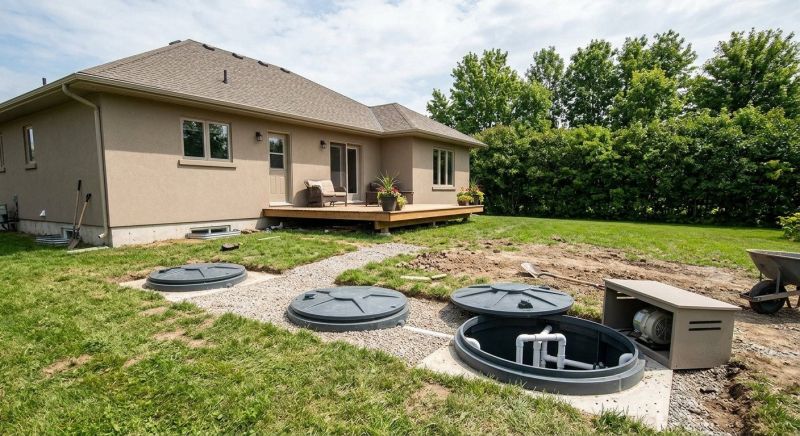
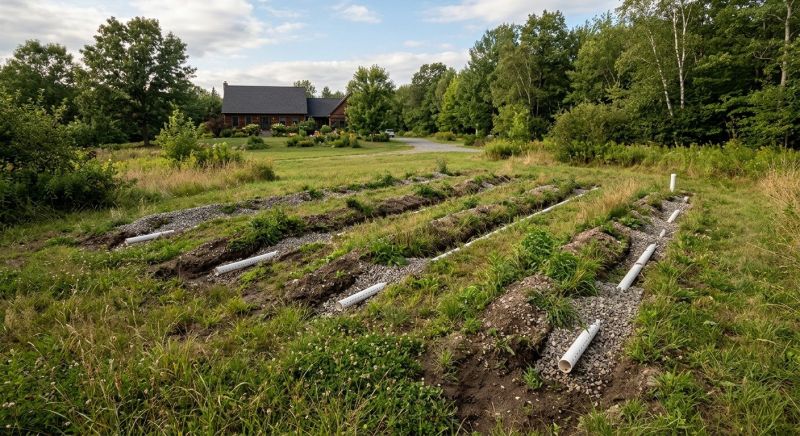
Septic System Installation - Installing septic tanks and leach fields for properties not connected to municipal sewer lines.
Trenchless Sewer Replacement - Replacing damaged or aging sewer lines with minimal surface disruption using trenchless methods.
Sewer Line Repair - Fixing leaks, cracks, or blockages in existing sewer lines to restore proper function.
Sewage System Installation Questions
What types of sewage systems are typically installed? Common options include septic tanks for rural properties and sewer connection systems for urban areas, depending on property location and needs.
What should property owners consider before installation? It's important to evaluate property size, soil conditions, and local regulations to ensure proper system selection and placement.
Are permits required for sewage system installation? Yes, permits are usually necessary to comply with local codes and ensure the system meets safety and environmental standards.
How does the installation process usually proceed? The process involves site assessment, system design, excavation, and proper connection to existing infrastructure or installation of a septic tank.
Request Sewage System Installation in Denver, CO
Use the quote form on this page to share the basics of your project and request more information for the type of work you need.